
Can Gums Recede Around Porcelain Veneers? Causes, Warning Signs, and Cosmetic Options in Bend, OR
If you have veneers, you may have wondered, “Can gums recede around veneers?” Yes, they can. Porcelain veneers don’t stop the surrounding gum tissue from changing over time, even when the veneer itself stays intact. If you’ve noticed a shift along your gumline, a cosmetic dental evaluation in Bend, OR, can help pinpoint what’s happening.
When gums recede, they may expose more natural tooth structure or reveal a veneer edge. A tooth can look longer, and your smile may look less even than it did when your veneers were new.
Having veneers doesn’t automatically cause gum recession. Several factors affect gum health, and an exam is the best way to know which ones apply to you.
This guide explains why gums recede, how recession changes veneer appearance, and which signs deserve attention. It also covers how dentists assess the problem, whether veneers need replacing, and how to protect the gums around your restorations.
Can Your Gums Recede Even if You Have Porcelain Veneers?
Yes. A veneer covers the front surface of a tooth, but it doesn’t change the gum tissue around it. That tissue is living, and it can shift position over time.
Gingival recession happens when the gum margin moves toward the root. This exposes the tooth or root surface that used to be covered. The veneer may still be in good condition. What has changed is the frame around it.
How Porcelain Veneers Fit Along the Natural Gumline
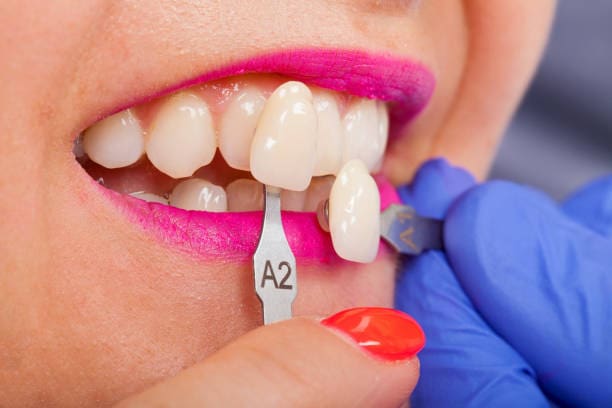
Veneers are thin porcelain shells bonded to the front of natural teeth. The edge of a veneer closest to the gums is called the margin. When planning porcelain veneers and cosmetic dentistry in Bend, dentists design that margin around where your gumline sits at the time of treatment.
Margins are often placed at or near the gumline so the transition blends in. As long as the gumline stays stable, the margin stays hidden or hard to notice.
Why Gum Tissue Can Change After Veneer Placement
Gum levels can change for several reasons. Periodontal disease, brushing trauma, tooth position, and your individual tissue type can all play a part.
Age is sometimes blamed, but getting older alone doesn’t explain every case. Recession usually reflects specific factors that a dentist can help identify.
Does Gum Recession Mean the Veneer Was Placed Incorrectly?
Not necessarily. Recession can develop years after well-made veneers were placed, for reasons unrelated to the restoration.
That said, a margin that doesn’t fit closely or a contour that’s too bulky can sometimes trap plaque. Over time, that plaque may contribute to gum inflammation near the veneer.
What Causes Gum Recession Around Dental Veneers?
Gum recession around veneers rarely comes down to one cause. Sorting out the contributing factors helps your dentist decide what to address first.
Gum Disease and Inflammation Around Veneered Teeth
Plaque that builds up along the gumline can inflame the gums. This early stage is called gingivitis, and it’s usually reversible with good home care and professional cleanings.
If inflammation continues, it can progress to periodontitis. At this stage, the gums and supporting bone can break down, which may lead to recession.
Bleeding gums don’t automatically mean you have periodontitis or recession. They do mean your gums deserve a closer look. Our team provides preventive dental care and gum health services, including periodontal therapy when it’s needed.
Aggressive Brushing and Repeated Gumline Trauma
Brushing too hard or with stiff bristles can wear gum tissue over time. Abrasive toothpastes and a scrubbing motion can add to the problem.
This is more likely in patients whose tissue is already thin. Good intentions paired with the wrong technique can still cause damage.
Thin Gum Tissue and Tooth Position
Some people naturally have thinner, more delicate gum tissue. Dentists call this a thin gingival phenotype.
Thin tissue, prominent roots, and teeth positioned farther forward can all make recession more likely. These are part of your natural anatomy, not something you did wrong.
Veneer Contour, Margins, and Plaque Retention
A veneer should follow the natural shape of the tooth where it meets the gums. If the contour is bulky or the margin doesn’t fit closely, plaque can collect there more easily.
That area may also be harder to clean, which can irritate nearby tissue. Contour is one factor among several, and your dentist can tell whether it applies to your veneers.
Bruxism, Clenching, and Other Possible Contributing Factors
Grinding and clenching place extra load on teeth. Your dentist may consider these habits as part of a broader evaluation.
That said, bruxism isn’t considered a proven direct cause of gum recession. Tobacco use, past orthodontic treatment, and overall health may also be relevant.
What Does Gum Recession Around Veneers Look Like?
Recession often develops slowly, so changes can be easy to miss. These are the signs patients with veneers most often notice.
A Visible Line Between the Veneer and Natural Tooth
As the gum moves back, it may reveal natural tooth structure that was hidden before. You might see a thin line where the veneer ends and the tooth begins.
That line doesn’t always mean the veneer is failing. Often the restoration is fine, and the tissue around it has changed.
Teeth That Appear Longer Than Before
When the gumline shifts toward the root, more of the tooth becomes visible. A veneered tooth may look longer, even though the veneer itself hasn’t changed size.
Uneven Gum Heights Across the Front Teeth
Recession doesn’t always happen evenly. If one front tooth loses more tissue than its neighbor, the gumline can look uneven and draw attention to that tooth.
Sensitivity Near the Gumline or Exposed Root
Root surfaces aren’t covered by enamel. When they become exposed, they may react to cold, touch, or brushing.
Sensitivity can have other causes, though, including decay or a worn margin. Your dentist can help find the source.
Bleeding, Redness, or Persistent Gum Irritation
Gums that bleed, look red, or stay irritated deserve an exam. These signs can point to inflammation, but they aren’t enough to diagnose recession on your own.
How Gum Recession Can Affect the Appearance of Porcelain Veneers
Veneers that looked seamless for years can start to look different when the tissue around them changes. Here’s why.
Why Exposed Veneer Edges Can Become More Noticeable
Porcelain, enamel, dentin, and root surfaces all reflect light differently. Root surfaces tend to look darker or more yellow than enamel or porcelain.
When recession uncovers a margin or root, those color and texture differences can show. That’s why a dark line around a veneer sometimes appears after recession. Dentists account for these details when matching veneers to natural teeth, but a change in gum position can alter the result over time.
How Gumline Changes Affect Smile Symmetry
Your gumline acts as a frame for your teeth. It influences how long each tooth looks and how balanced your smile appears.
In many smiles, the gums over the two central incisors sit at a similar height. The gums over the lateral incisors often sit slightly closer to the biting edge. When recession disrupts that pattern, neighboring teeth can look out of proportion. For broader options beyond veneers, see our guide to cosmetic options for receding gums.
Can Recession Make a Veneer Look Too Short or Uneven?
It can. The veneer stays the same size, but the newly exposed tooth structure above it changes how the whole tooth looks.
The result can resemble a veneer that’s too short or doesn’t match its neighbor. In reality, the tissue frame has moved, not the restoration.
Why Whitening Does Not Fix Every Color Difference Near the Gums
Whitening doesn’t change the shade of porcelain. It also may not improve discoloration on exposed root surfaces or along a restoration margin.
For that reason, whitening alone rarely solves a color mismatch near the gumline. Your dentist can explain which approach fits the specific cause.
Does Gum Recession Mean Your Veneers Need to Be Replaced?
Not automatically. Recession and veneer condition are separate issues, and each needs its own assessment.
When Existing Veneers May Remain Functional and Esthetically Acceptable
If your veneers are intact and the teeth underneath are healthy, minor recession may not require replacement. Monitoring the area and managing the cause may be enough.
Many patients find that a small visible change doesn’t bother them once they know the tooth is healthy.
When Exposed Margins or Restoration Damage Require Evaluation
Some changes do call for a closer look. These include a margin that no longer fits well, recurring inflammation near one veneer, or a chipped or loosened restoration.
Exposed margins can also raise the risk of decay at the edge of the tooth. Our article on cavities around veneer margins explains what to watch for.
Why Replacing a Veneer Does Not Restore Lost Gum Tissue
A new veneer addresses the restoration. It doesn’t bring back gum tissue that has receded.
As Cleveland Clinic explains, gum recession can’t be reversed, but treatment can help keep it from getting worse. Restorative care and periodontal care solve two different problems.
When Cosmetic Restoration Changes May Be Considered
Once your gum health has been evaluated and stabilized, your dentist may discuss modifying or replacing a veneer if it makes clinical sense. Our guide to replacing old porcelain veneers covers that decision in more detail.
New veneers can sometimes improve how a changed gumline looks. They won’t necessarily hide every area of recession.
Can Gum Recession Around Veneers Be Treated?
Yes, but treatment depends on the cause and severity. Cosmetic dentistry works alongside gum care, not in place of it.
Treating Gum Inflammation and Periodontal Disease First
The first priority is healthy gums. That may involve professional cleanings, better plaque control at home, and periodontal treatment when it’s indicated.
Controlling inflammation helps stabilize the tissue before any cosmetic decisions are made.
Can Gum Grafting Help With Recession Around Veneered Teeth?
In selected cases, a periodontal root-coverage procedure such as gum grafting may be considered. These procedures are often performed by a periodontist, a dentist who specializes in gum health.
Whether grafting is an option depends on your tissue anatomy, the type of recession, and the condition of the veneer margin. A periodontal evaluation is needed to know for sure.
When Veneer Repair or Replacement May Improve the Cosmetic Result
Once the gums are healthy, attention can turn to the restoration. A margin that’s exposed, rough, or poorly adapted may benefit from repair or replacement.
The goal is a veneer that cleans easily and blends with the gumline as it is now.
Why Treatment May Require Both Periodontal and Cosmetic Planning
Recession around veneers usually involves both gum health and restoration design. The order of care matters:
- Diagnose the recession and its likely causes.
- Address gum disease or other contributing factors.
- Stabilize gum health.
- Reassess how the veneers look with the current gumline.
- Consider restorative changes if they’re still needed.
Following this sequence helps avoid replacing a veneer that untreated gum problems could affect again.
How Bend Cosmetic Dentists Evaluate Receding Gums Around Veneers
Not every patient needs the same tests. The evaluation depends on what you’ve noticed and what your dentist finds.
Measuring Gum Recession and Examining Gingival Health
Your dentist checks the position of your gumline and how much tooth or root is exposed. They also look at tissue color, texture, and any bleeding.
Periodontal measurements around the teeth help show whether active gum disease is present.
Checking Veneer Margins and Exposed Tooth Structure
Next, your dentist examines how well each veneer margin fits. They look for exposed root surfaces, plaque-retentive areas, chips, or signs of decay.
Evaluating Gum Symmetry and Smile Proportions
Cosmetic planning considers how your gumline frames each tooth. Your dentist evaluates tooth shape, visible length, and balance across your smile.
Determining Whether Periodontal Care or Cosmetic Treatment Comes First
In most cases, treating active disease and establishing healthy tissue comes before elective cosmetic changes. Stable gums give any future restoration a better foundation.
How to Help Prevent Gum Recession Around Porcelain Veneers
Not every type of recession can be prevented, since anatomy and other factors play a role. Still, good daily habits help protect the tissue around your veneers.
Brush Gently Along the Gumline With a Soft-Bristled Toothbrush
Use a soft-bristled brush and light pressure. Angle the bristles toward the gumline and use small, gentle strokes.
Effective brushing removes plaque without scrubbing. More pressure doesn’t mean cleaner teeth.
Clean Between Veneers and Natural Teeth Daily
Plaque collects between teeth and along veneer margins. Floss daily, or use interdental brushes or a water flosser if your dentist recommends them.
Maintain Regular Dental Exams and Professional Cleanings
Regular visits let your dental team track gum health, check veneer margins, and spot changes in tissue position early.
Address Persistent Bleeding, Swelling, or Sensitivity Early
Symptoms that linger are worth an exam, even if they seem minor. Early evaluation often keeps treatment simpler.
Avoid Attempting to Correct Gum Recession at Home
Lost gum tissue doesn’t grow back with special toothpastes, rinses, or home remedies. Some products may ease sensitivity, but they won’t restore the gumline.
A professional evaluation is the best way to know how to manage your recession.
Are Minimal-Prep Veneers Better for Patients With Thin or Receding Gums?
Many patients with thin gums ask whether minimal-prep, no-prep, or prepless veneers are a safer choice. Less enamel reduction has real benefits, but it doesn’t necessarily prevent gum recession.
Gum phenotype, restoration contour, margin design, tooth position, and periodontal health all still matter. You can read more about this conservative approach in our guide to minimal-prep veneers.
Why Enamel Preservation and Gum Health Are Different Considerations
Enamel preservation is about how much tooth structure is removed. Gum health is about the living tissue around the tooth.
A minimally invasive veneer protects tooth structure. It doesn’t change how your gum tissue behaves.
Why Veneer Contour Matters Near Thin Gum Tissue
Emergence profile is the way a restoration rises out of the gums. Because minimal-prep veneers add material to the tooth surface, this profile needs careful design.
A smooth, natural emergence profile and well-fitted margins help the area stay easy to clean and comfortable for the tissue.
Why Active Gum Problems Should Be Evaluated Before Cosmetic Veneers
Elective treatment works best on a stable foundation. If you have bleeding, inflammation, or active recession, those concerns should be evaluated before veneers are placed.
FAQs About Gum Recession and Veneers in Bend, OR
Can gums recede around porcelain veneers?
Yes. Veneers don’t stop the surrounding gum tissue from receding. When the gumline moves, it can expose natural tooth structure or the edge of the veneer. The veneer itself may still be intact. A dental exam can help identify why the recession is happening and whether treatment is needed.
Do porcelain veneers cause gum recession?
Not automatically. Many people keep stable gums around their veneers for years. However, bulky contours, poorly fitting margins, and plaque buildup can affect gum health. Underlying periodontal conditions, brushing habits, and thin gum tissue can also contribute. Your dentist can evaluate which factors apply in your case.
Can gum recession expose the edges of veneers?
Yes. Veneer margins are usually designed around where your gumline sits at the time of treatment. If the gums recede, a margin that was hidden may become visible. You might notice a thin line or a color change where the veneer meets the natural tooth.
Can receding gums make veneers look uneven?
They can. When gum levels change, the visible length and proportions of veneered teeth can shift. If recession affects one tooth more than its neighbor, your smile may look less symmetrical. The veneers themselves haven’t changed size, but the frame around them has.
Do veneers need to be replaced when gums recede?
Not always. Intact veneers on healthy teeth may only need monitoring. Replacement may be considered if a margin no longer fits, decay develops, the restoration is damaged, or the cosmetic change bothers you. Gum health should be evaluated and stabilized before any replacement decision.
Can gum grafting be done around porcelain veneers?
In selected cases, yes. Periodontal root-coverage procedures may be considered around veneered teeth. Suitability depends on your tissue anatomy, the type and amount of recession, and the condition of the veneer margin. A professional periodontal evaluation is needed to determine whether grafting is appropriate.
Can you get veneers if you already have gum recession?
Possibly. Candidacy depends on the cause and severity of the recession, whether it’s stable, and the health of the supporting teeth. Your treatment goals also matter. Active gum problems are usually addressed first, so veneers can be planned around a healthy, stable gumline.
Evaluate Gum Recession and Veneer Appearance With a Cosmetic Dentist in Bend, OR
If you have porcelain veneers and have noticed changes in gum height, exposed edges, sensitivity, or uneven proportions, it’s worth having them checked. Small changes are often easier to manage when they’re found early.
At Ponderosa Family Dental, we’ll look at whether your concern involves gum health, veneer margins, exposed natural tooth, or a combination. Healthy teeth and gums come first, and cosmetic adjustments follow when they make sense.
If you’re noticing gum recession around veneers in Bend, OR, schedule an evaluation to find out what’s changed and what your options are.
